Companion Plants That Will Make Your French Beans Thrive
Companion Planting That Will Make Your French Beans Thrive
French beans are a delicious and versatile vegetable that can be enjoyed in many different ways. They are also relatively easy to grow, but there are a few things you can do to help them thrive. One of the best ways to do this is to plant them with companion plants.
Companion planting is the practice of planting certain plants together in order to benefit each other. Some plants help to repel pests, while others improve the soil quality or provide shade. By planting French beans with the right companion plants, you can help them to grow healthier and produce more beans.
Here are some of the best companion plants for French beans:
- Marigolds: Marigolds are a popular companion plant for many vegetables, and French beans are no exception. They help to repel pests such as aphids, beetles, and nematodes. Marigolds also add a splash of color to your garden.

- Nasturtiums: Nasturtiums are another great companion plant for French beans. They also help to repel pests, and their bright flowers attract pollinators. Nasturtiums can also be used to make a delicious pesto.

- Cucumbers: Cucumbers and French beans are mutually beneficial companions. The cucumbers help to shade the French beans, which can help to prevent them from bolting. The French beans, in turn, fix nitrogen in the soil, which the cucumbers can use.
- Peas: Peas and French beans are both legumes, which means they can fix nitrogen in the soil. Planting them together can help to improve the nitrogen content of the soil, which can benefit both plants.
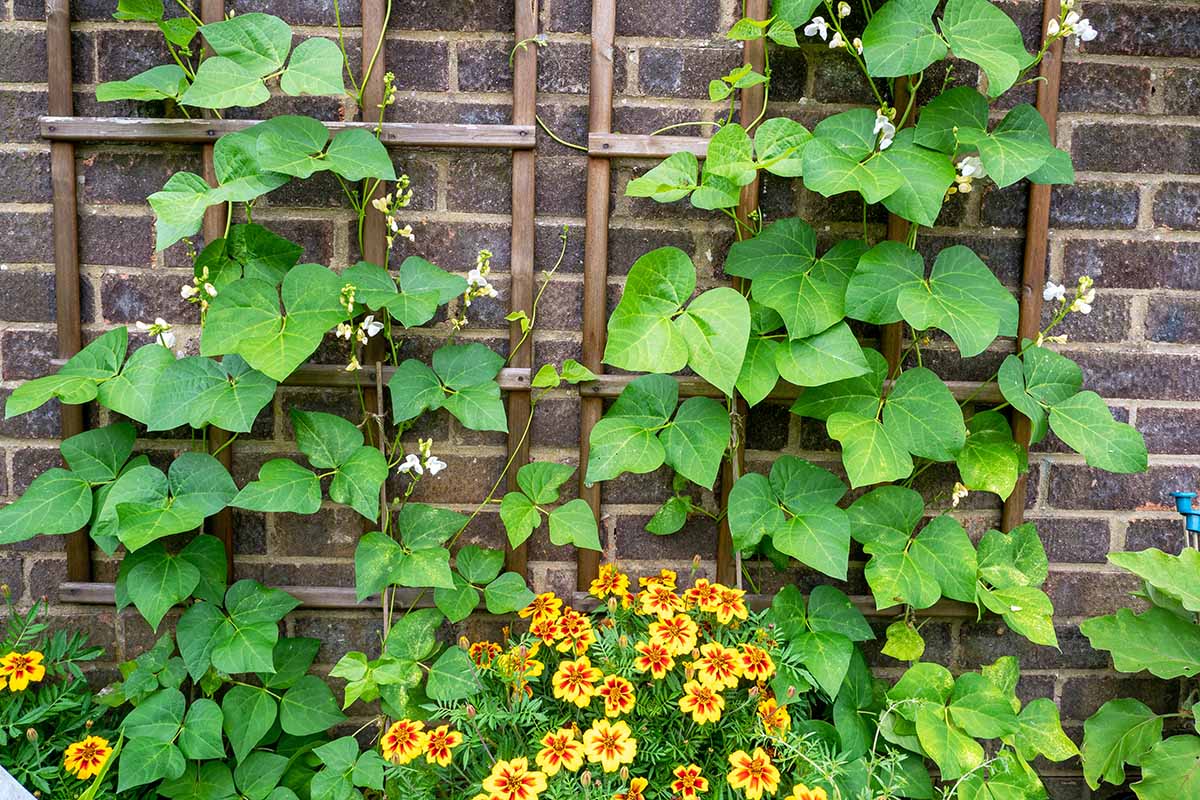
- Potatoes: Potatoes can help to deter the Colorado potato beetle, which is a common pest of French beans. The potatoes also provide shade for the French beans, which can help to prevent them from bolting.
- Carrots: Carrots and French beans can be planted together because they have different nutrient needs. Carrots need more nitrogen, while French beans need more phosphorus. By planting them together, you can help to ensure that both plants get the nutrients they need.
- Broccoli: Broccoli and French beans are both cool-season crops, so they can be planted together in the early spring or fall. Broccoli helps to repel cabbage moths, which are a common pest of French beans.
- Cabbage: Cabbage and French beans are both members of the Brassica family, so they can benefit from each other's presence. Cabbage helps to repel pests such as cabbage moths and loopers, while French beans fix nitrogen in the soil, which cabbage can use.
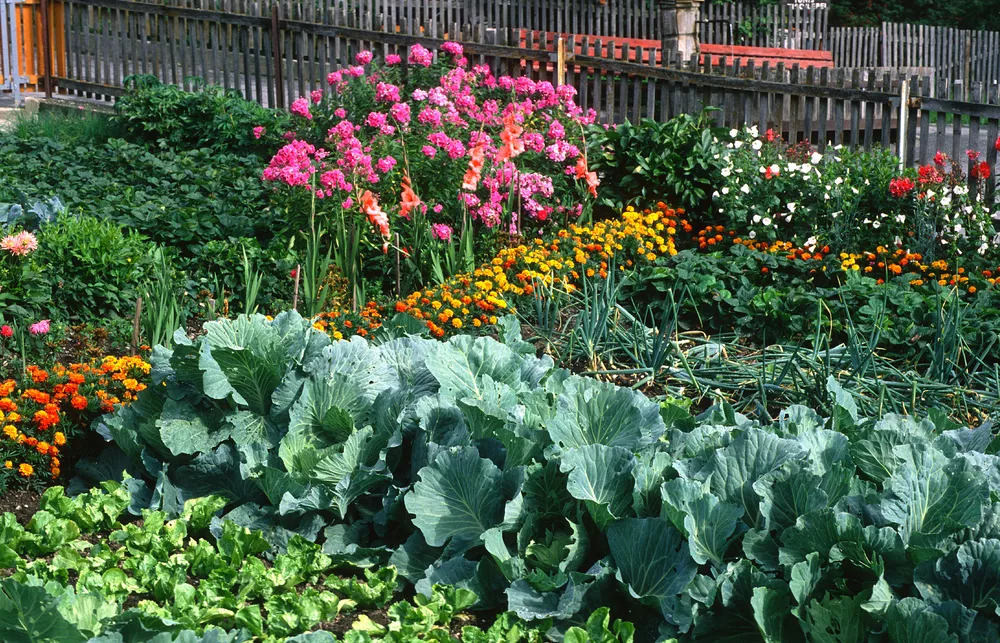
- Squash: Squash can help to shade French beans, which can help to prevent them from bolting. Squash also helps to suppress weeds, which can free up your time and energy so you can focus on other gardening tasks.
French beans are a delicious and versatile vegetable that can be grown in most gardens. But did you know that companion planting can help to improve their growth and yield? Companion planting is the practice of planting certain plants together to benefit each other. Some good companion plants for french beans include:
- Tomatoes: Tomatoes and french beans are a classic companion planting combination. The tomatoes provide shade for the french beans, while the french beans help to fix nitrogen in the soil, which benefits the tomatoes.
- Carrots: Carrots and french beans also make good companions. The carrots help to deter pests from the french beans, while the french beans help to keep the soil loose and aerated, which benefits the carrots.
- Cucumbers: Cucumbers and french beans can also be planted together. The cucumbers provide support for the french beans, while the french beans help to keep the cucumbers cool and prevent them from wilting.
- Marigolds: Marigolds are another good companion plant for french beans. They help to repel pests, such as aphids and bean beetles.
- Nasturtiums: Nasturtiums are another flowering plant that can be planted with french beans. They help to attract beneficial insects, such as ladybugs and hoverflies, which prey on pests.
If you're interested in learning more about companion planting for french beans, I recommend visiting Gardenia Inspiration. This website has a wealth of information on the topic, including a list of recommended companion plants and tips for planting them together.
FAQ of companion plants for french beans
- Cabbage: Cabbage plants release chemicals that deter the growth of root-knot nematodes, which can be a major pest of French beans.
- Carrots: Carrots help to suppress the growth of soil-borne diseases that can affect French beans.
- Celery: Celery plants help to attract beneficial insects such as parasitic wasps, which help to control pests such as aphids.
- Cucumbers: Cucumbers and French beans can be planted together because they have similar growing requirements and do not compete for resources.
- Dill: Dill helps to attract beneficial insects such as hoverflies and ladybugs, which help to control pests such as aphids and whiteflies.
- Kale: Kale plants release chemicals that deter the growth of aphids, cabbage loopers, and other pests that can affect French beans.
- Leeks: Leeks help to repel aphids, cabbage loopers, and other pests that can affect French beans.
- Marigolds: Marigolds are a natural insect repellent that can help to protect French beans from pests such as aphids, beetles, and mosquitoes. They also attract beneficial insects such as ladybugs and hoverflies, which help to control pests.
- Nasturtiums: Nasturtiums help to repel aphids, beetles, and other pests that can affect French beans. They also attract beneficial insects such as ladybugs and hoverflies, which help to control pests.
- Potatoes: Potatoes can be planted with French beans because they have similar growing requirements and do not compete for resources.
- Pumpkins: Pumpkins can be planted with French beans because they have similar growing requirements and do not compete for resources.
- Squash: Squash can be planted with French beans because they have similar growing requirements and do not compete for resources.
- Tomatoes: Tomatoes and French beans can be planted together because they have similar growing requirements and do not compete for resources.
- Turnips: Turnips help to suppress the growth of soil-borne diseases that can affect French beans.
Q: What are some plants that should not be planted near French beans?
A: Some plants that should not be planted near French beans include:
- Alliums: Alliums, such as onions, garlic, and chives, can inhibit the growth of French beans.
- Cucumbers: Cucumbers and French beans can compete for resources, such as water and sunlight.
- Peas: Peas and French beans are both legumes and can compete for nitrogen in the soil.
- Spinach: Spinach can attract aphids, which can be a pest of French beans.
- Sweet potatoes: Sweet potatoes and French beans can compete for resources, such as water and sunlight.
Q: How do companion plants benefit French beans?
A: Companion plants can benefit French beans in a number of ways, including:
- Attracting beneficial insects: Some companion plants, such as marigolds and nasturtiums, attract beneficial insects such as ladybugs and hoverflies, which help to control pests.
- Suppressing the growth of pests: Some companion plants, such as cabbage and kale, release chemicals that deter the growth of pests such as aphids and root-knot nematodes.
- Providing shade: Some companion plants, such as corn and tomatoes, can provide shade for French beans, which can help to protect them from the hot sun.
- Completing the nitrogen cycle: Legumes, such as French beans, fix nitrogen from the air. Some companion plants, such as peas and clover, also fix nitrogen. This can help to improve the nitrogen content of the soil, which can benefit both the French beans and the companion plants.
Q: How far apart should French beans and their companion plants be planted?
The ideal spacing for French beans and their companion plants will vary depending on the specific plants involved. However, as a general rule of thumb, French beans should be spaced at least 12 inches apart, and their companion plants should be spaced at least 6 inches apart.
Image of companion plants for french beans
- Nasturtiums: Nasturtiums are a great companion plant for French beans because they deter pests such as aphids and whiteflies. They also attract pollinators, which help to improve the French bean crop.
- Cucumbers: Cucumbers and French beans are both members of the same family, so they benefit from being planted together. They help to suppress weeds and attract beneficial insects.
- Lettuce: Lettuce is another good companion plant for French beans. It helps to suppress weeds and provides shade for the French bean roots.
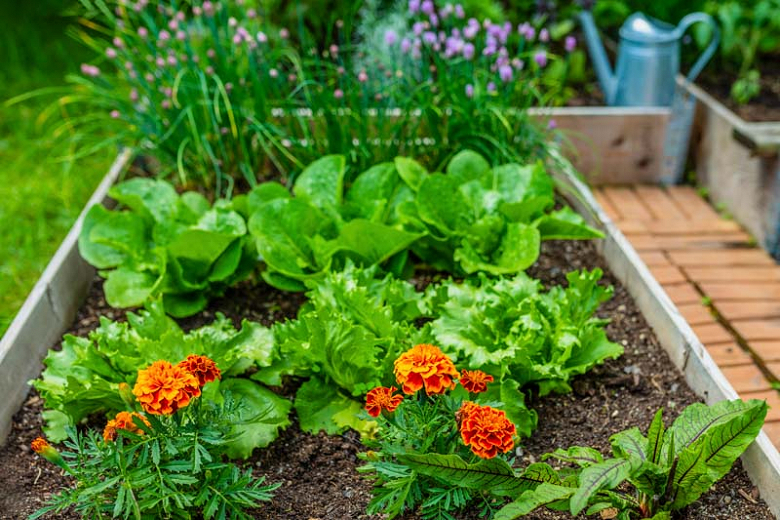
- Marigolds: Marigolds are known for their insect-repelling properties, so they can help to keep pests away from French beans. They also add a splash of color to the garden.
- Spinach: Spinach is a cool-season crop that can be planted alongside French beans in the spring. It helps to improve the soil and provides shade for the French bean roots.


Post a Comment for " Companion Plants That Will Make Your French Beans Thrive"